The E-Waste Crisis in Lagos: A Growing Concern
Lagos, Nigeria's bustling commercial hub, is grappling with a growing e-waste problem as the city becomes a hotspot for discarded electronics from across the globe. As one of the largest importers of used electronics in Africa, Lagos receives millions of tons of e-waste annually, much of it disguised as second-hand goods. This influx adds to the city's domestic e-waste, generated by its over 20 million residents, creating a significant environmental and public health challenge.
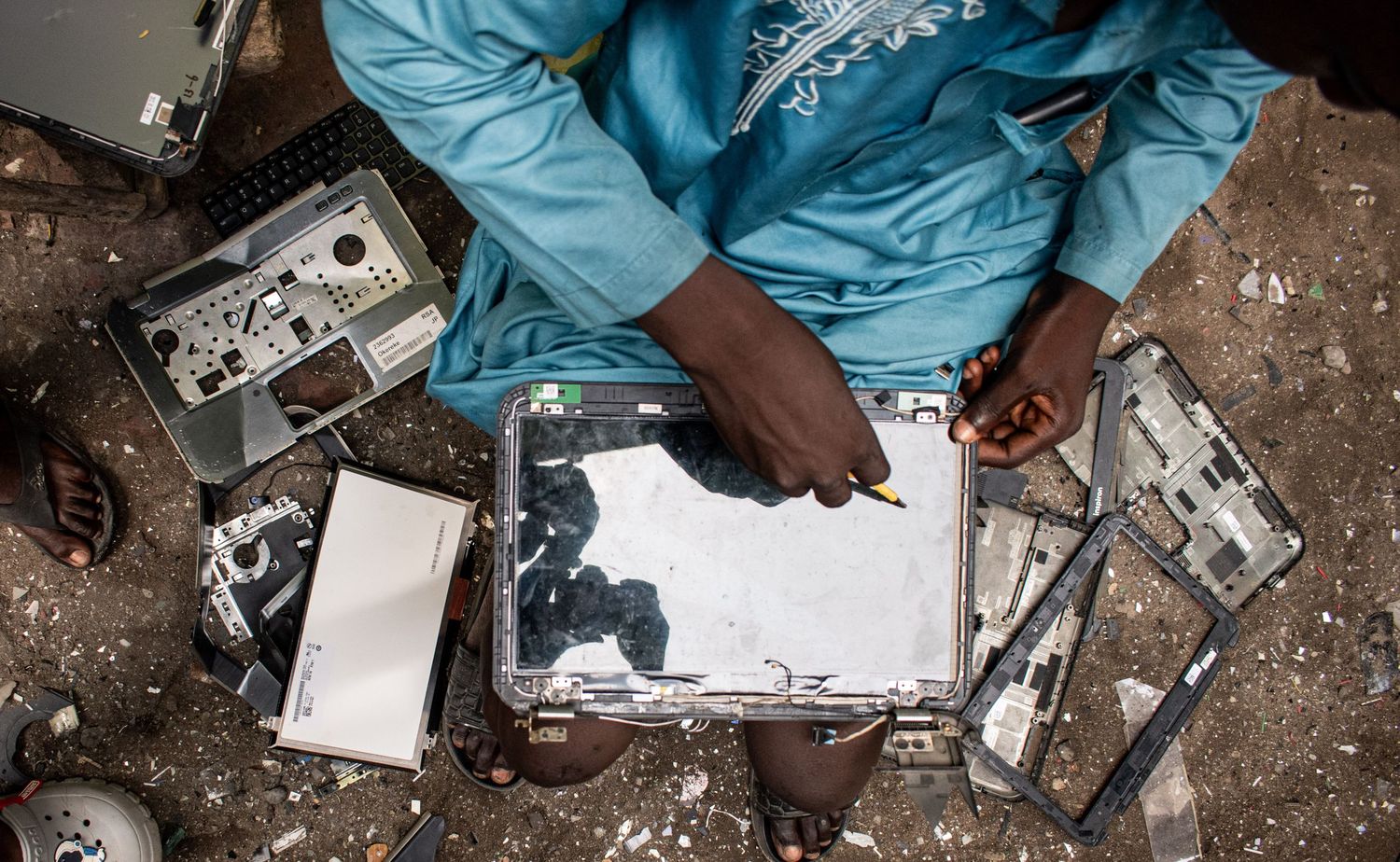
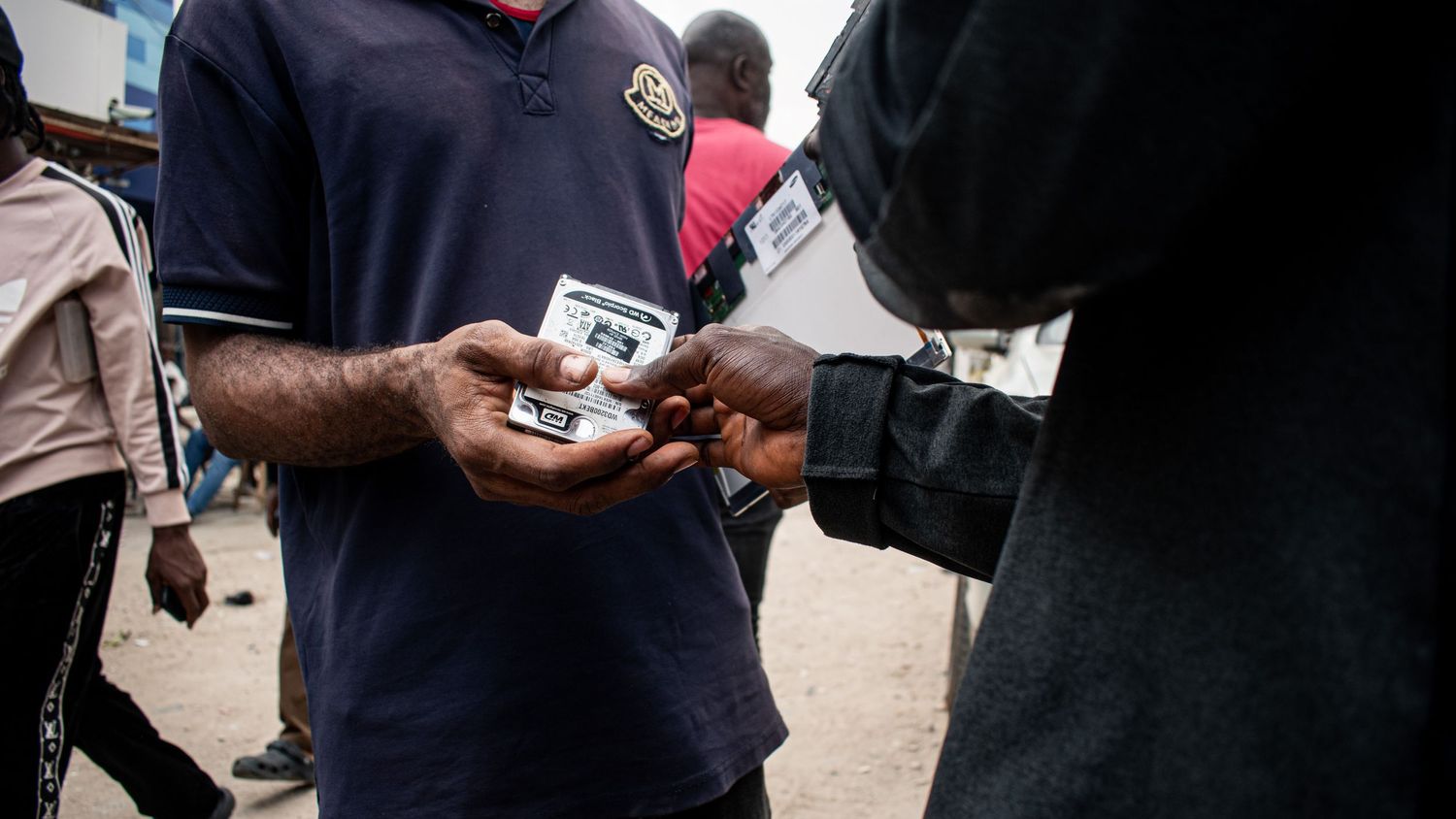
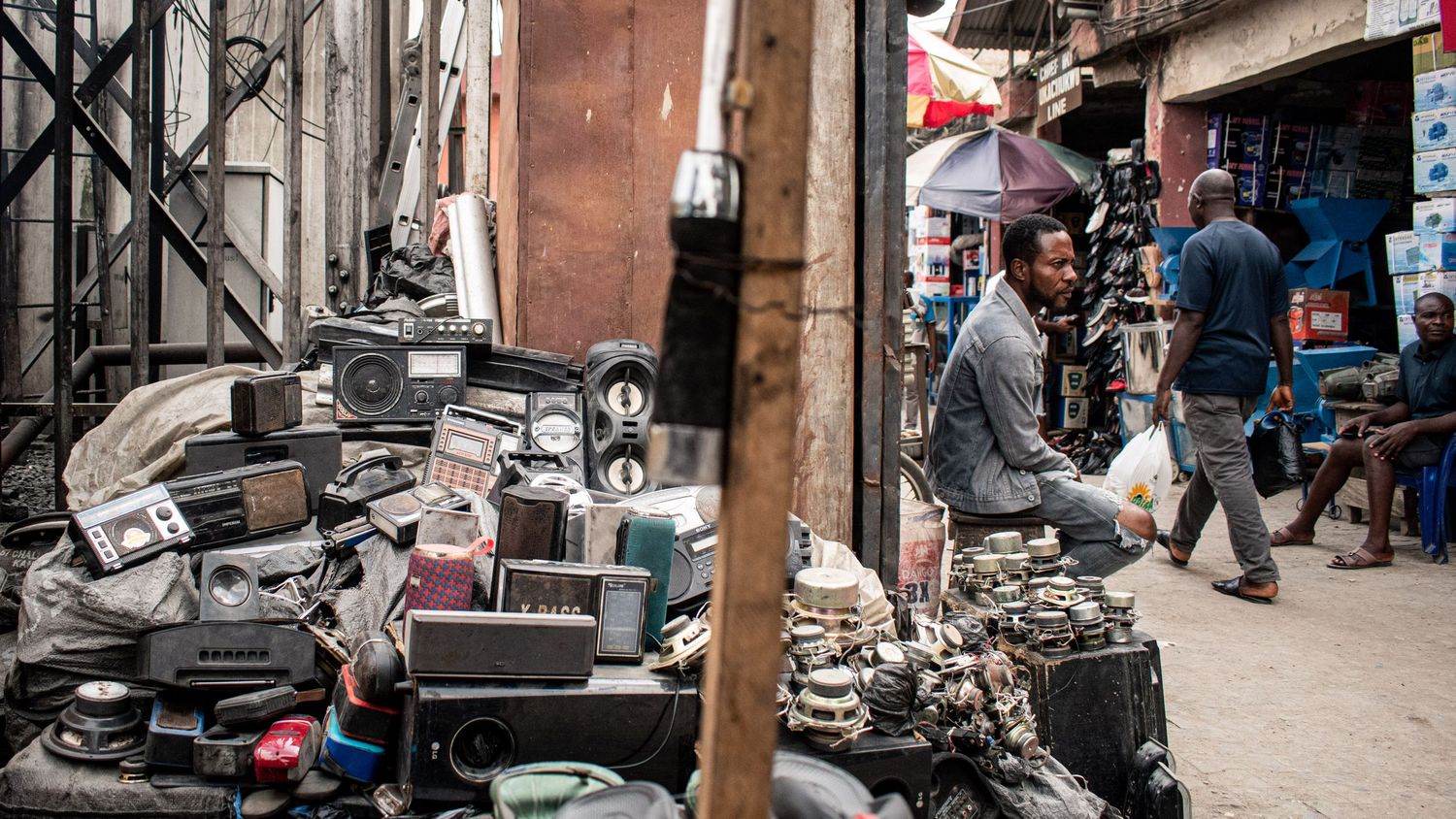
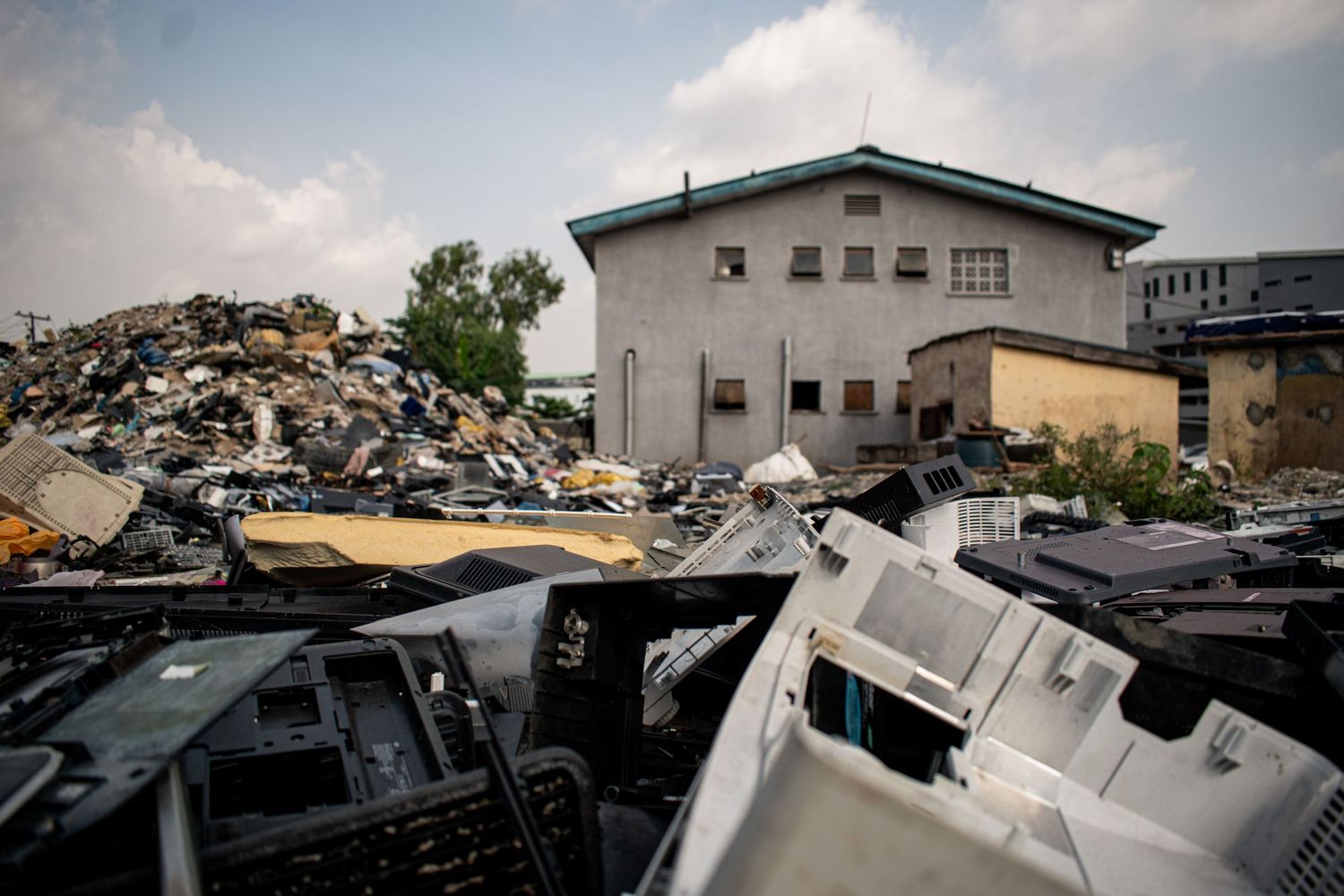
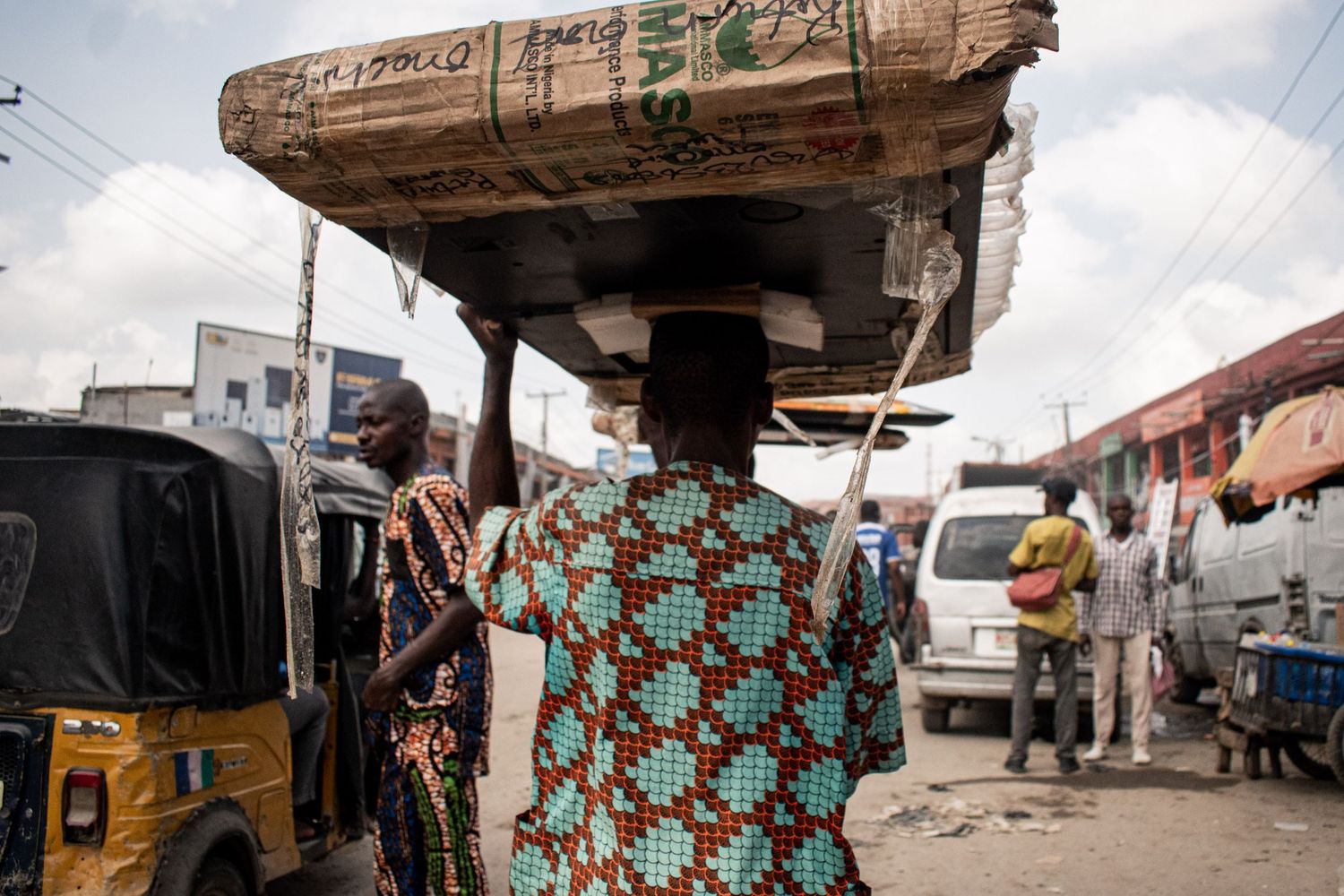
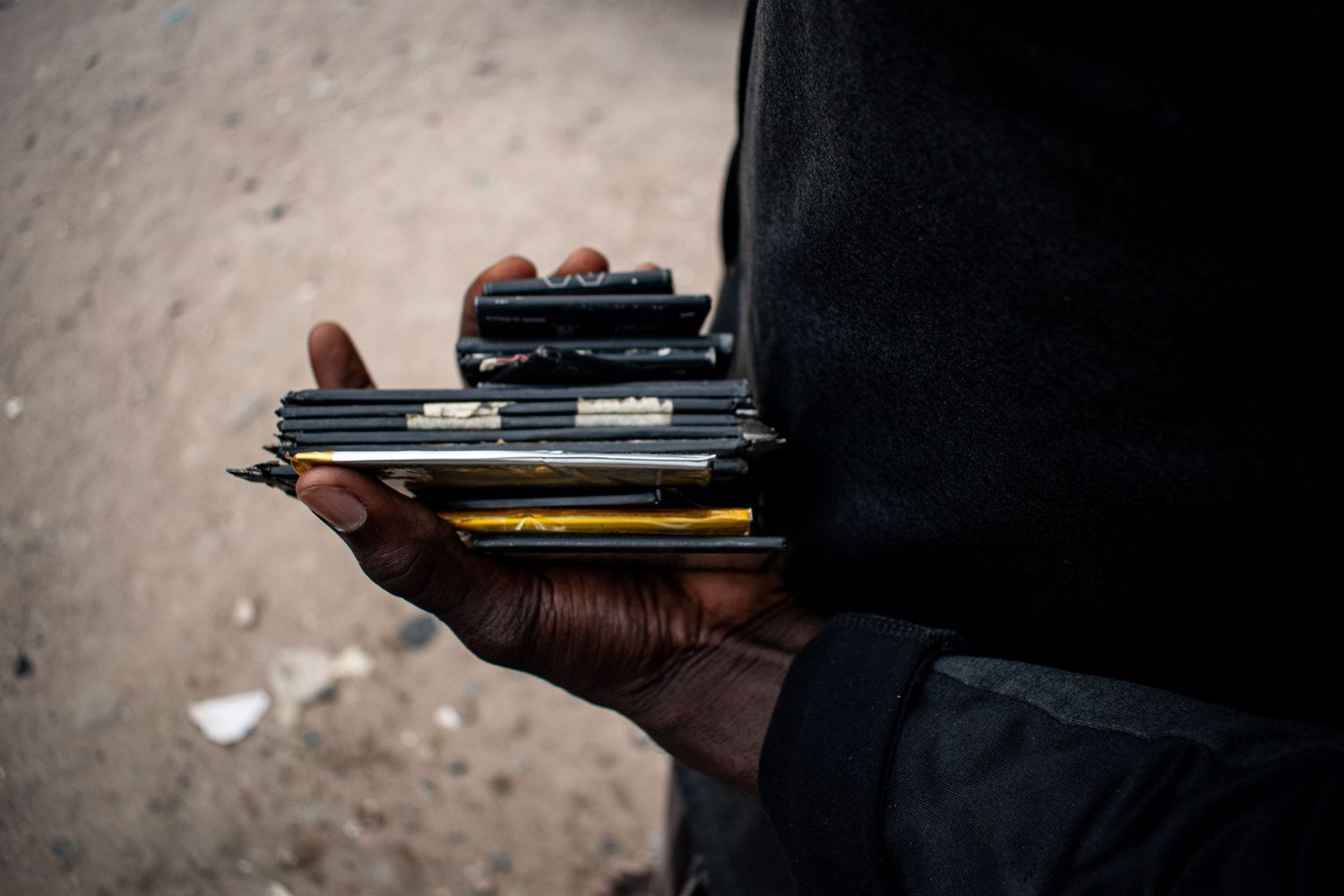


As a documentary photographer, I have used my lens to bring the e-waste story in Lagos to life, capturing the intersection of human resilience and environmental challenges. Through photography, I aimed to show not just the magnitude of the crisis but also the lives it touches and the ecosystems it affects.
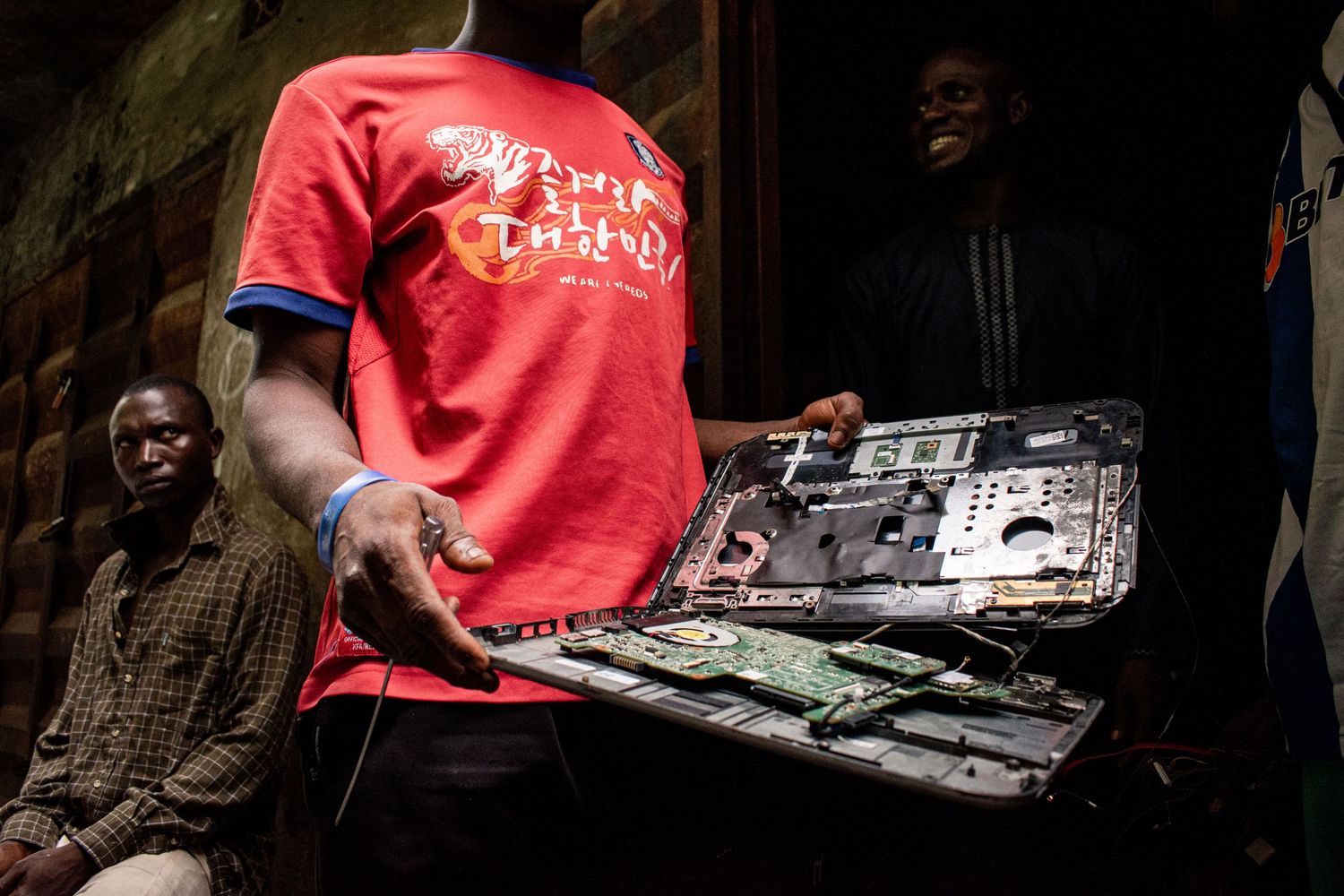
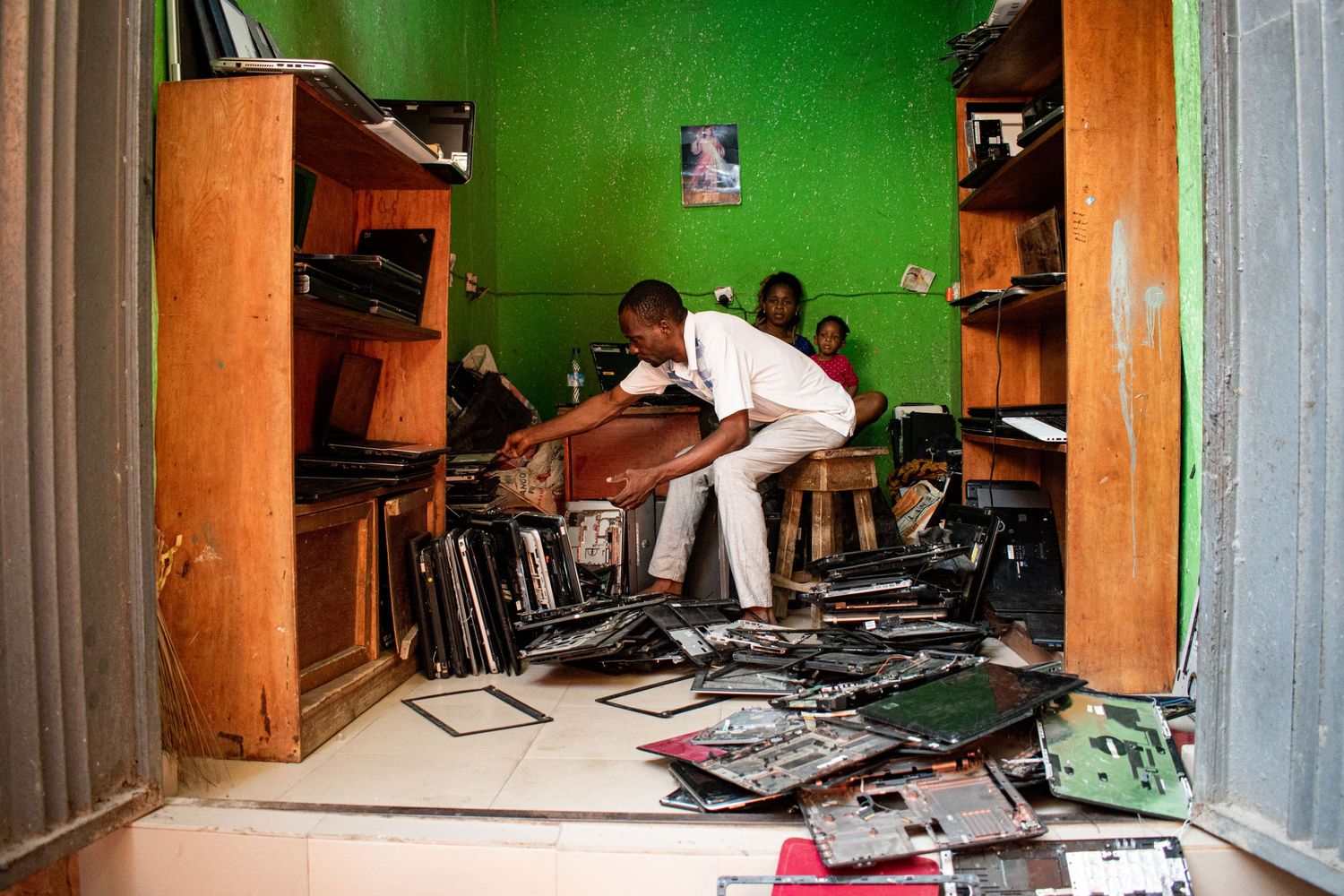
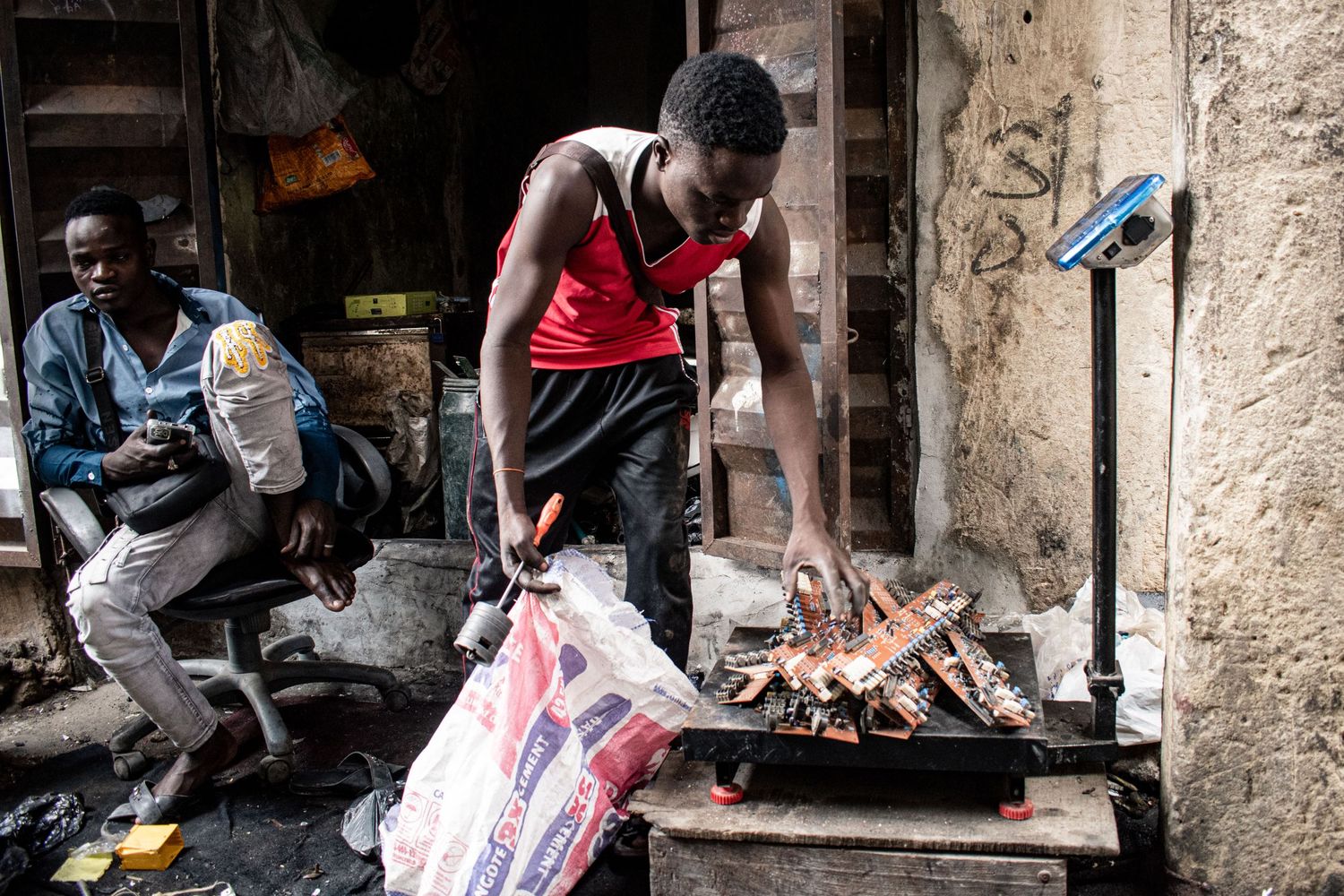
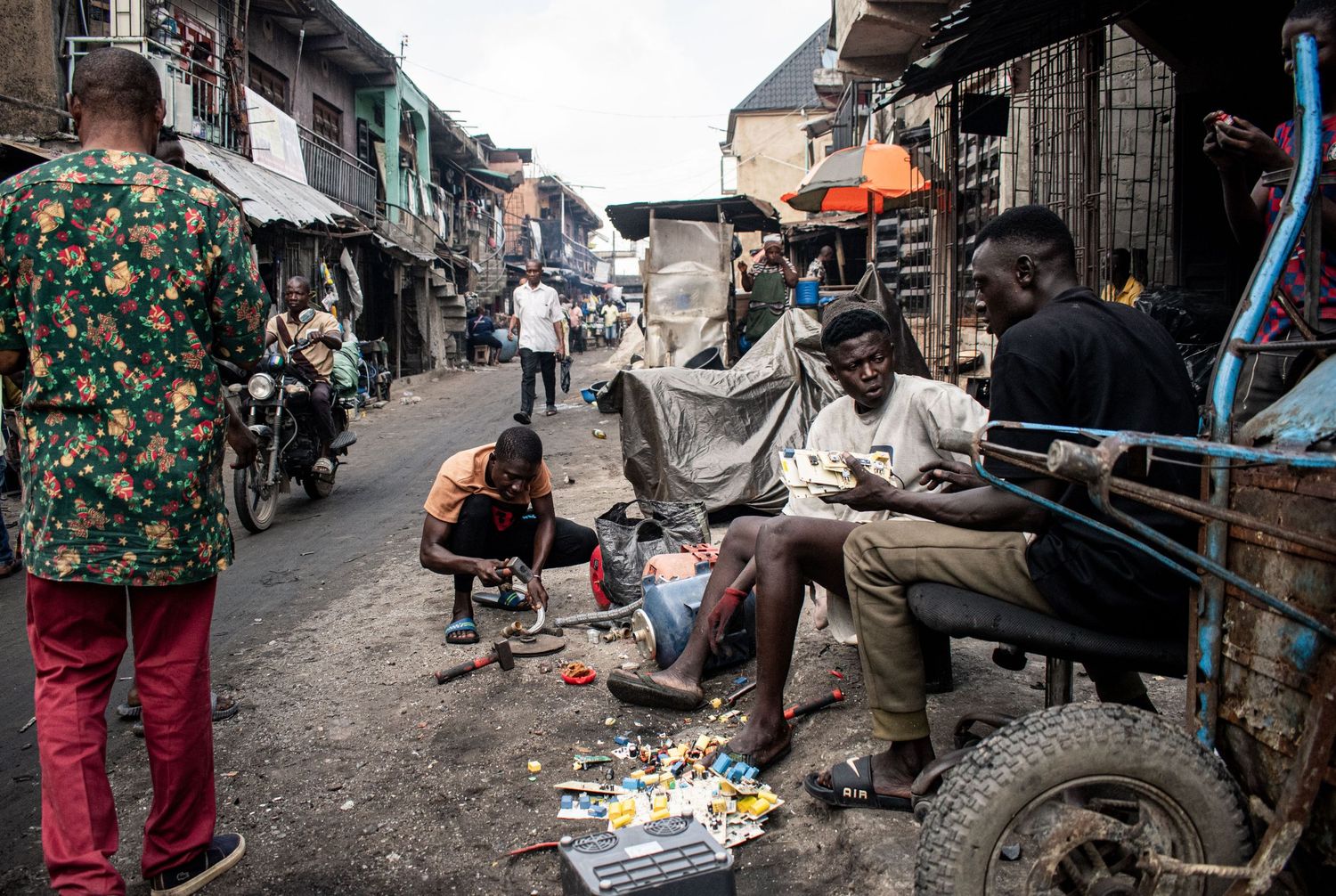
In Lagos, informal recyclers are at the heart of the e-waste trade. My photographs have captured these workers dismantling old electronics with rudimentary tools, their faces reflecting both determination and the toll of exposure to hazardous materials. Each image tells a story of survival amidst adversity, drawing attention to the need for safer, regulated working conditions.
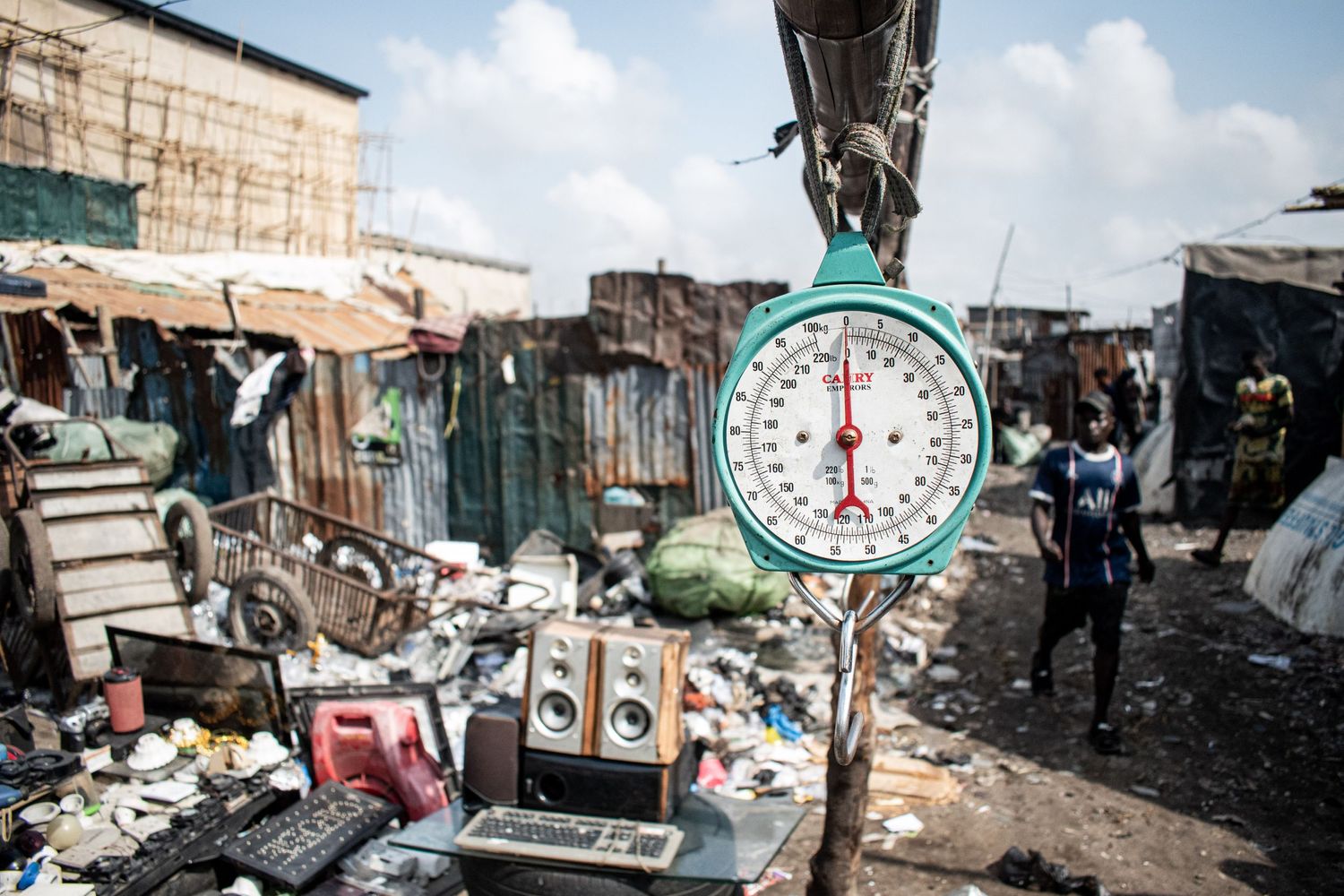
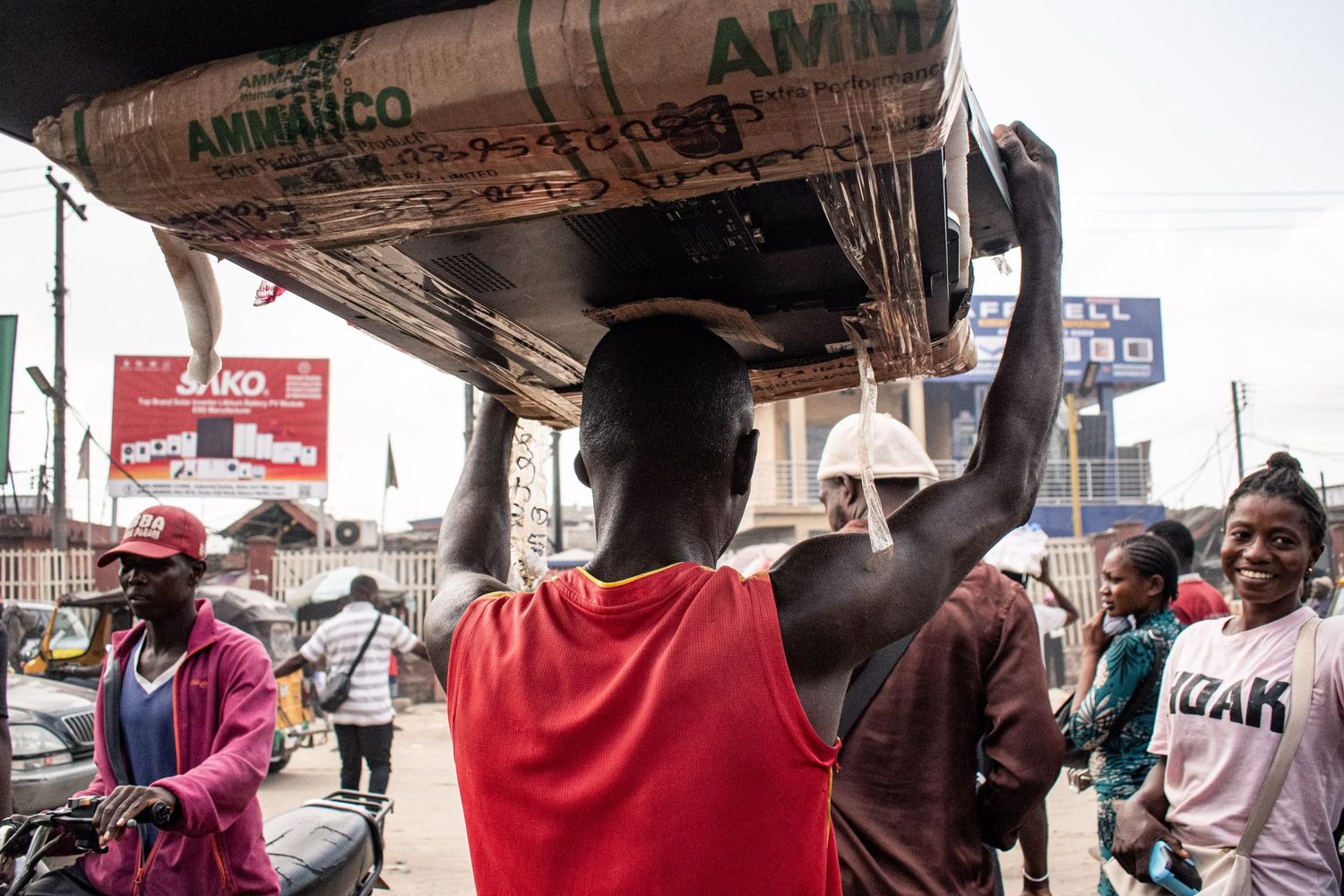
Visualizing the Scale of the Problem
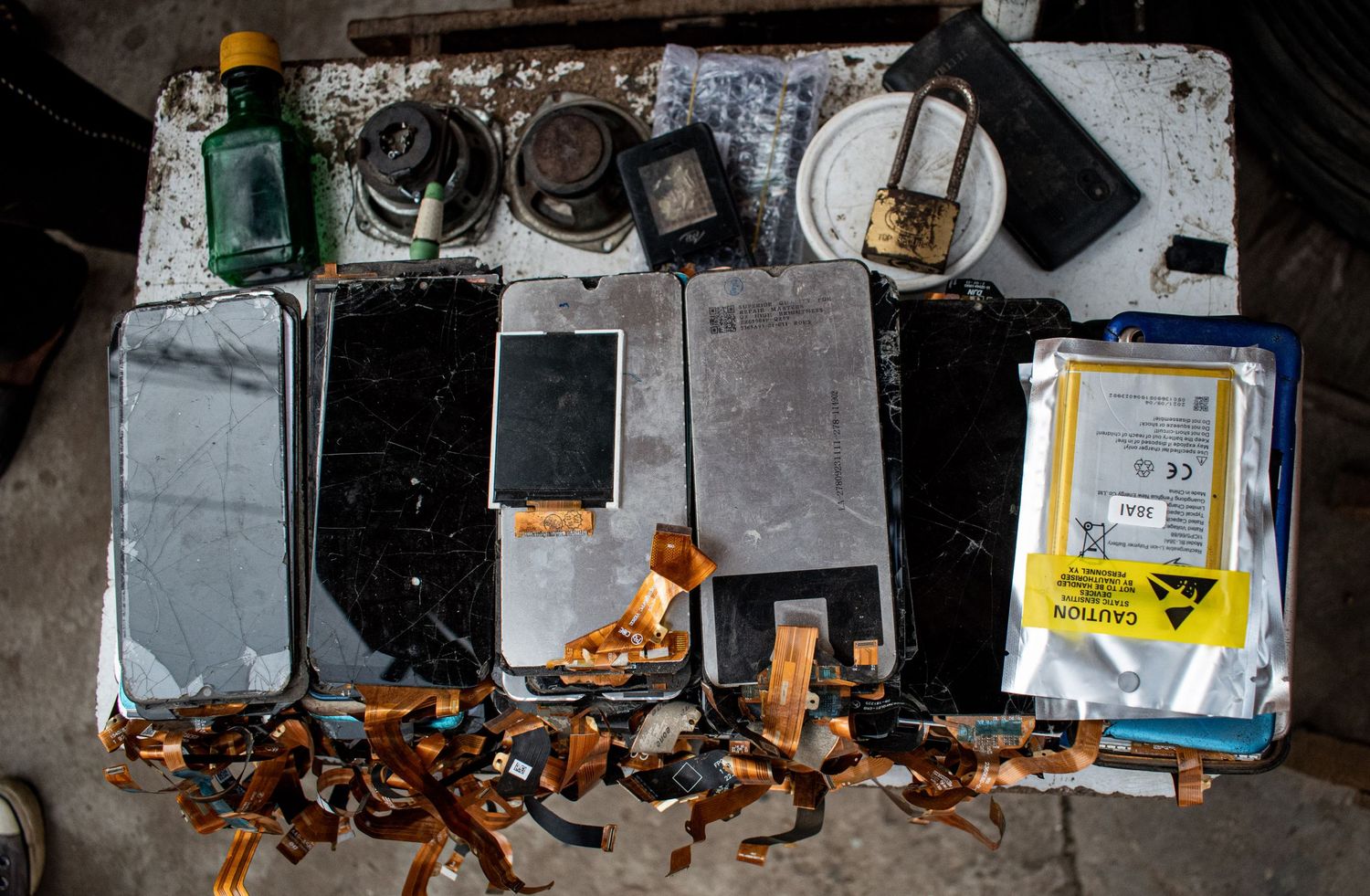
Through aerial shots of sprawling dumpsites and close-up images of discarded electronics, I have revealed the staggering scale of e-waste in Lagos. These visuals illustrate how urbanization and consumerism contribute to the problem, with neighborhoods like Alaba and Computer Village serving as hubs for e-waste trade and processing.
Focusing on Environmental Impact
By documenting contaminated water sources near e-waste processing sites, as well as the smoky skies from burning wires, my work showcases the environmental degradation caused by informal recycling practices. These photographs aim to evoke a sense of urgency and responsibility among viewers.
Inspiring Change
Photography is not just about recording events—it’s about driving action. The images I’ve created seek to spark dialogue about sustainable solutions, such as formalizing the recycling industry, creating awareness campaigns, and implementing policies that reduce the flow of e-waste into Lagos.
Through this project, I’ve learned that photography can be a tool for advocacy, giving a voice to the unheard and a face to the unseen. By visually documenting the e-waste crisis in Lagos, I hope to inspire efforts to address this challenge while celebrating the resilience of the people navigating its complexities.