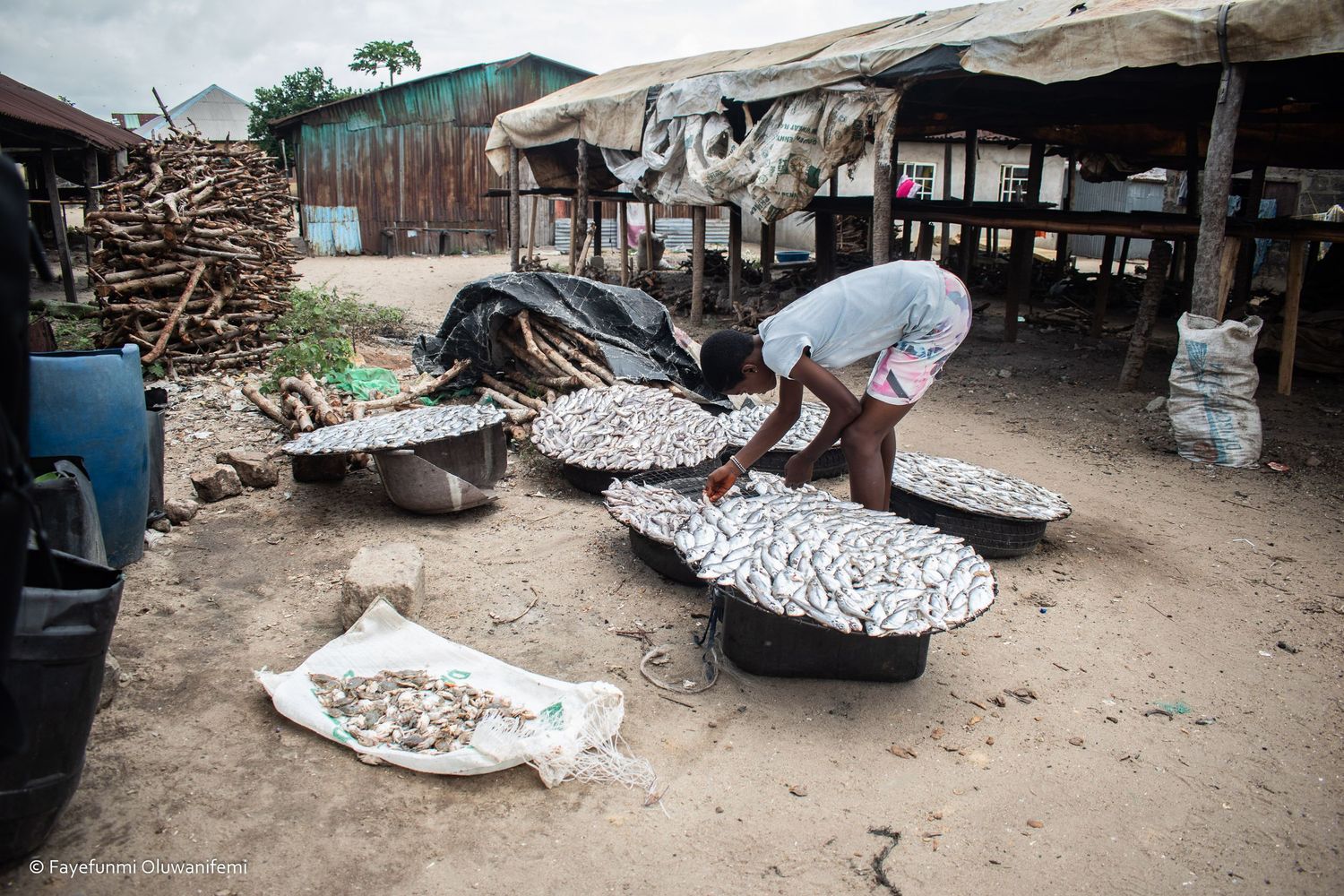
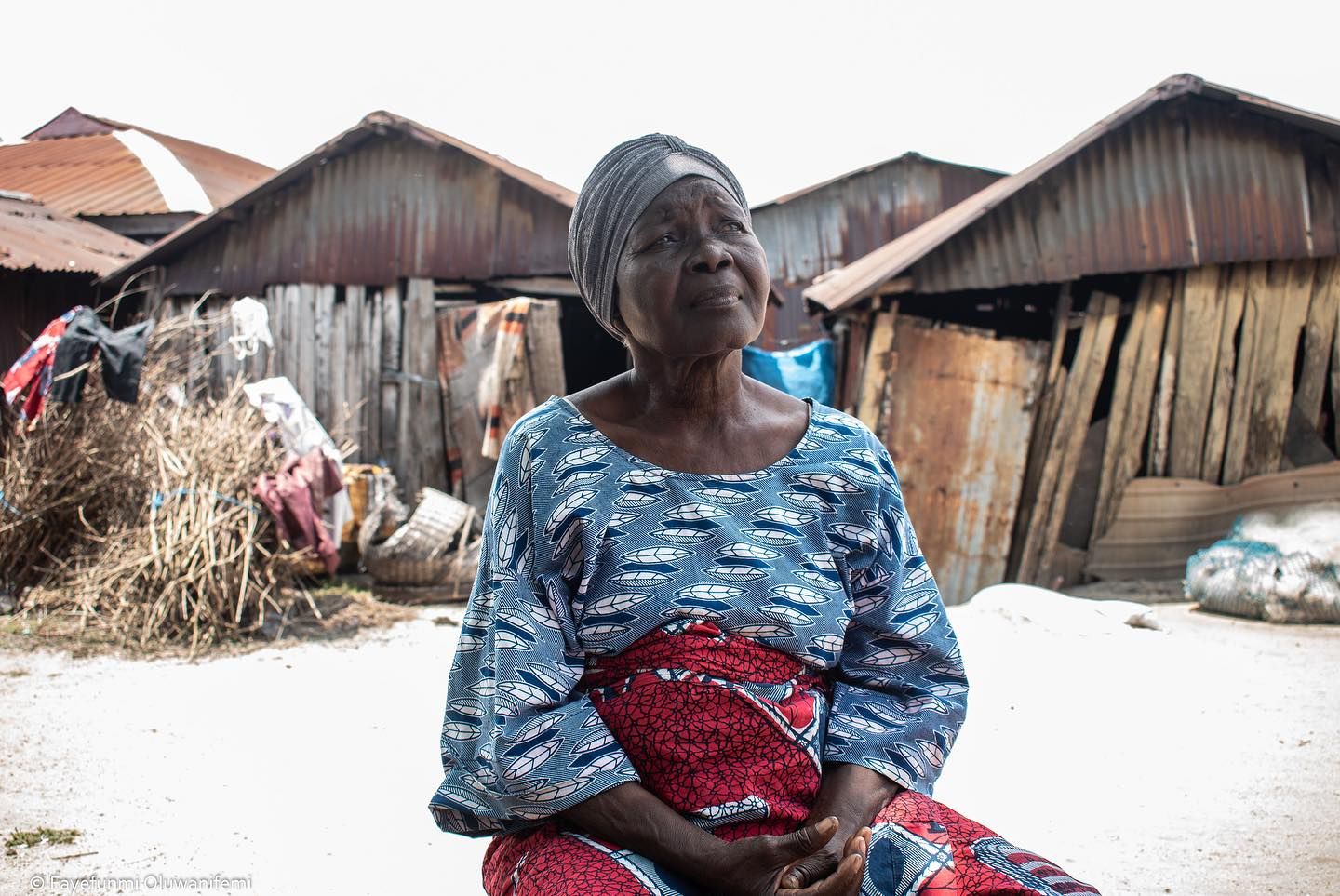
Mama Felicia, a fisherwoman, faces life without fish to catch, her livelihood gone.
As a documentary photographer, I recently turned my lens toward the fishing community of Itun Agon in Lagos State. This project sought to capture the challenges facing local fishermen and women as industrial activity and environmental degradation threaten their livelihoods. Through compelling images, I documented the interplay between human resilience, ecological imbalance, and the socio-economic impacts of a rapidly changing environment.
The Crisis: A Community in Peril
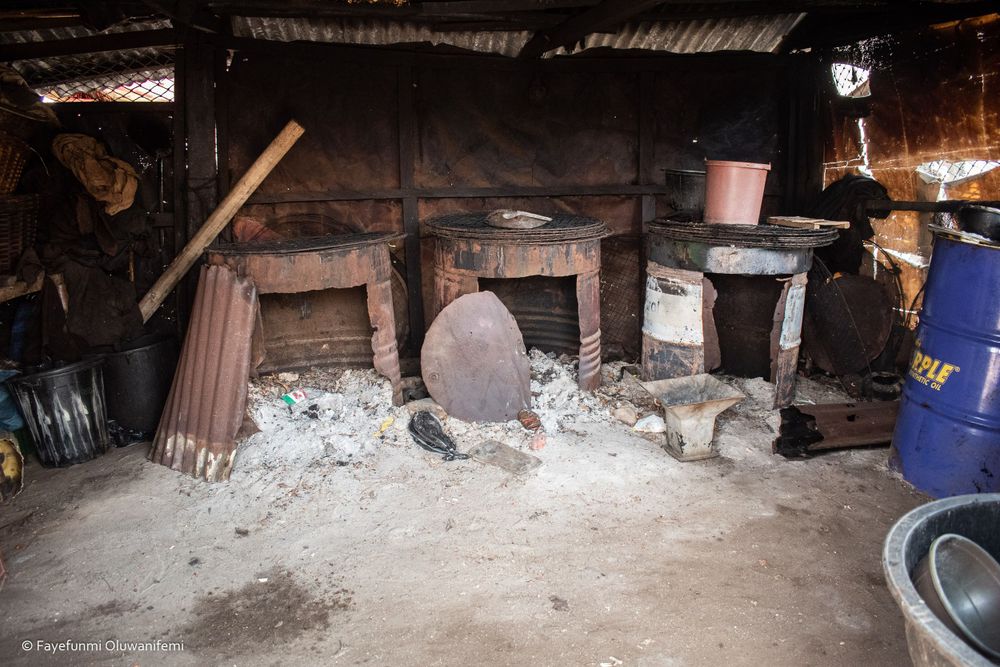
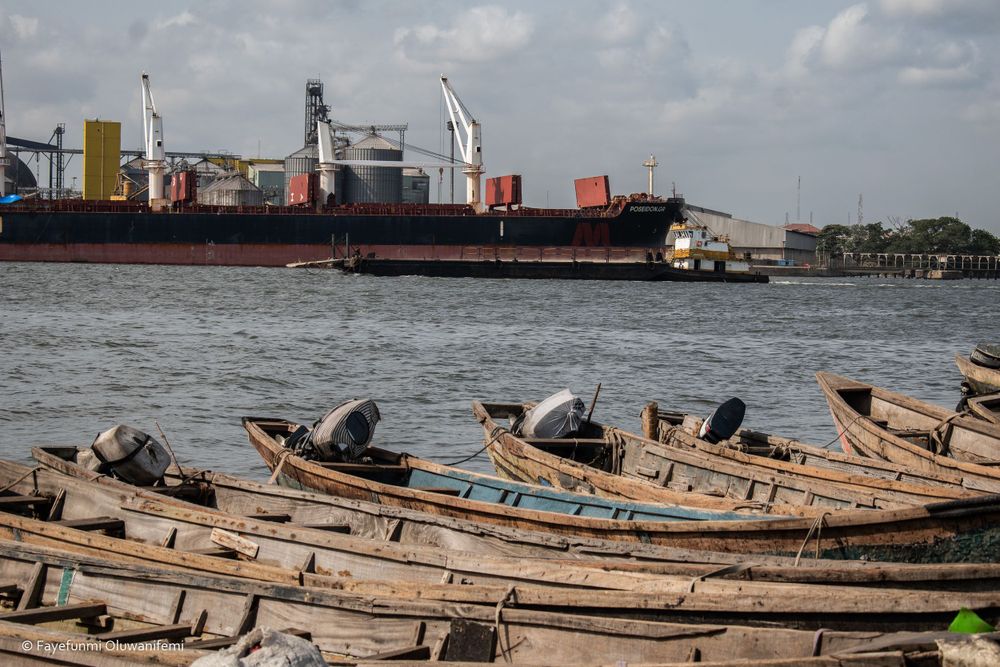
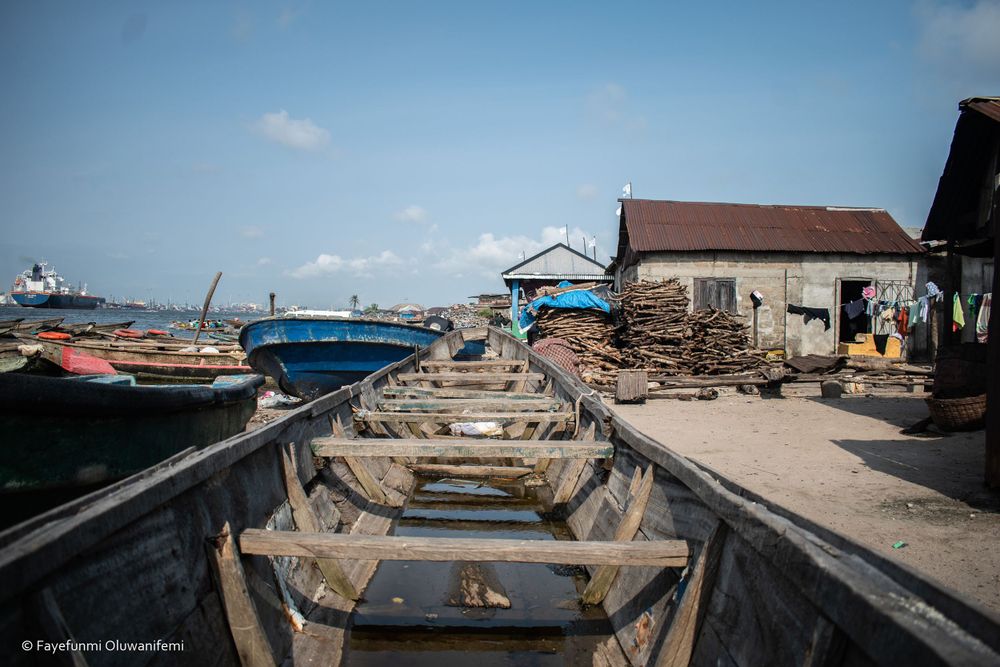
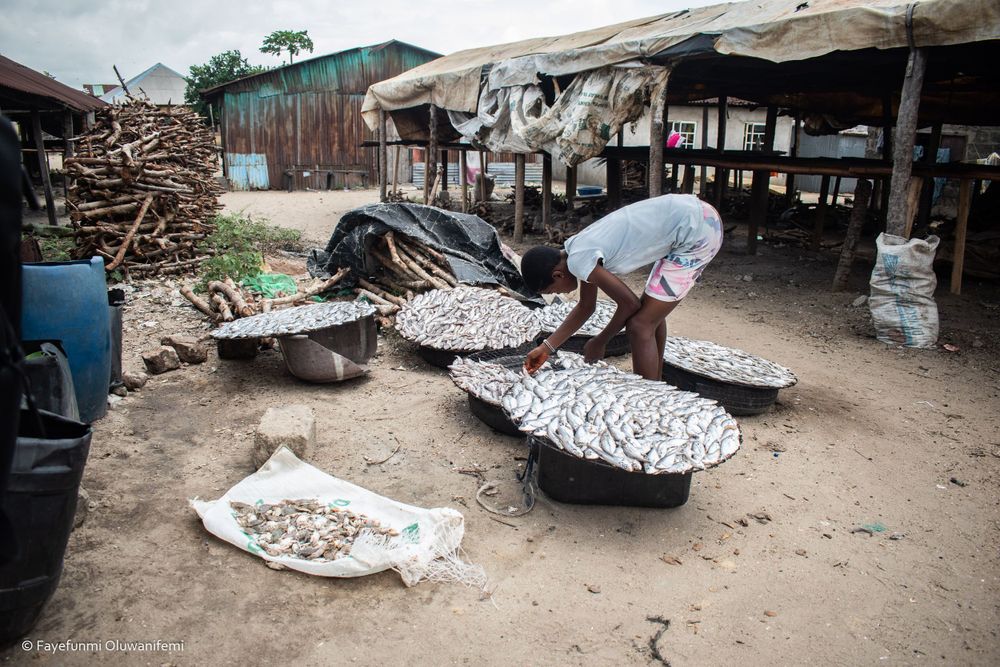
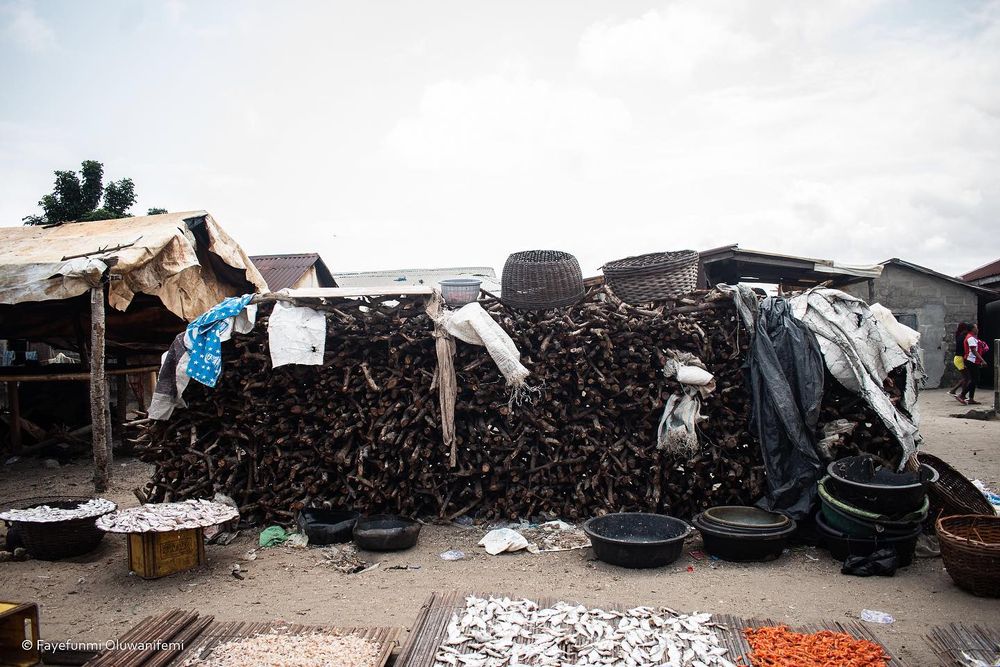
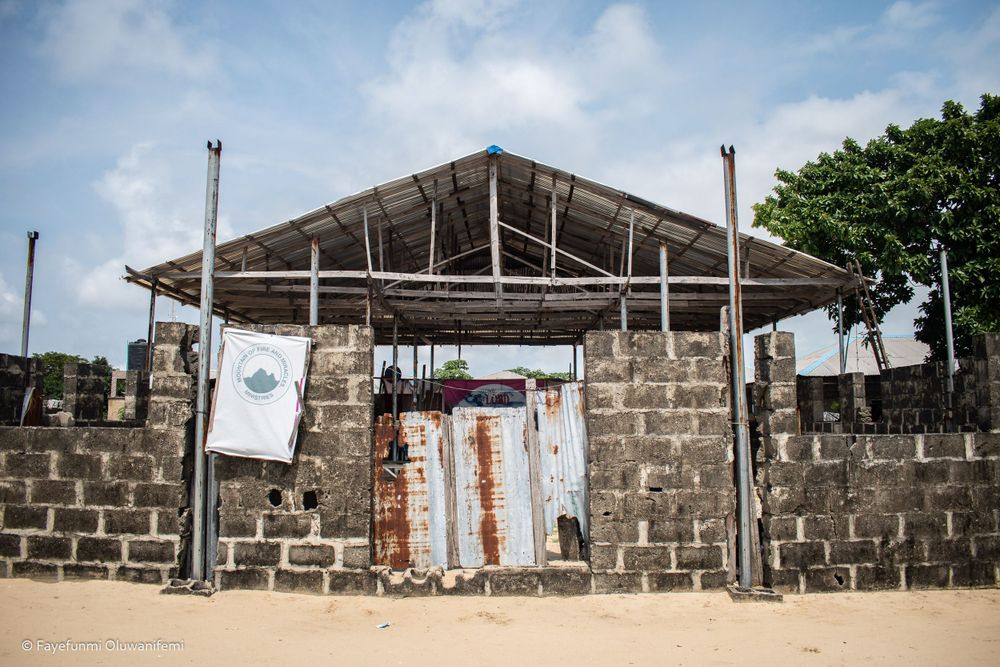
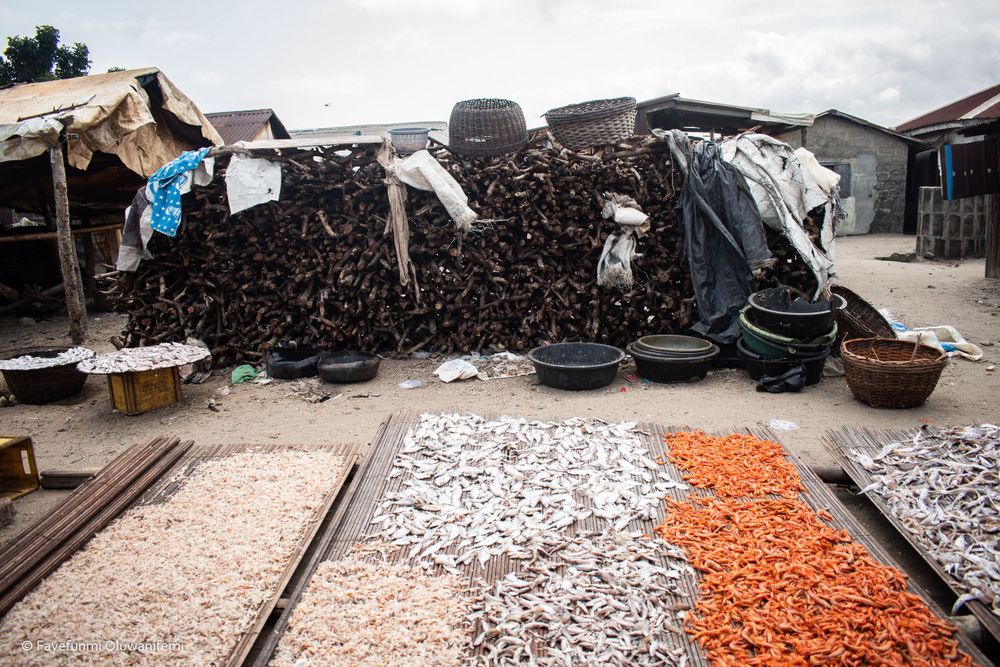
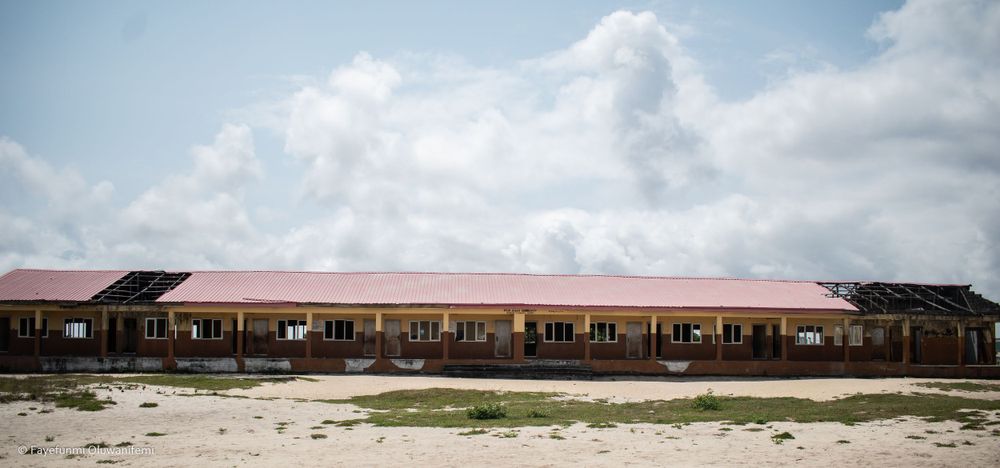
Itun Agon has long relied on fishing as its primary source of livelihood. However, industrial activities, including large-scale shipping operations and pollution from oil spills, have disrupted aquatic ecosystems. My photographs captured the stark realities of this crisis: depleted fish stocks, abandoned nets, and frustrated fishermen recounting stories of declining catches that once sustained their families.
Environmental and Economic Challenges
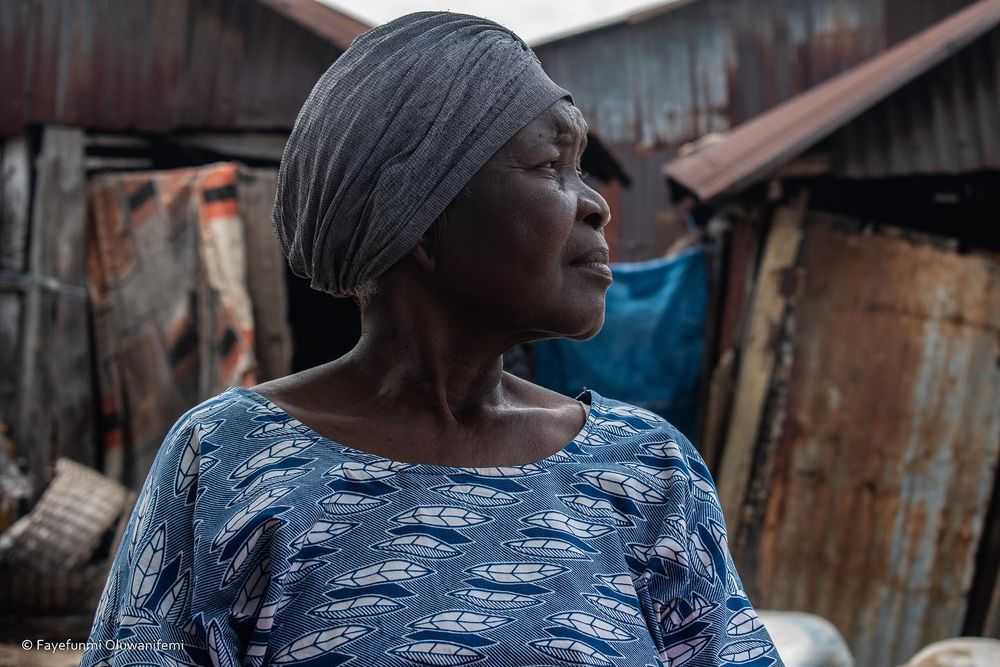
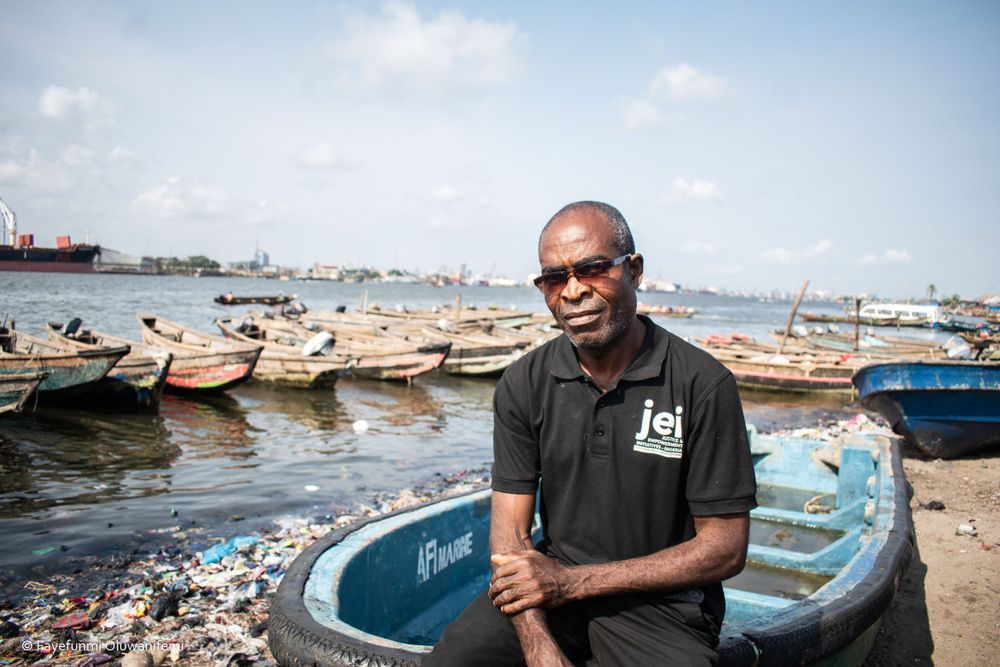
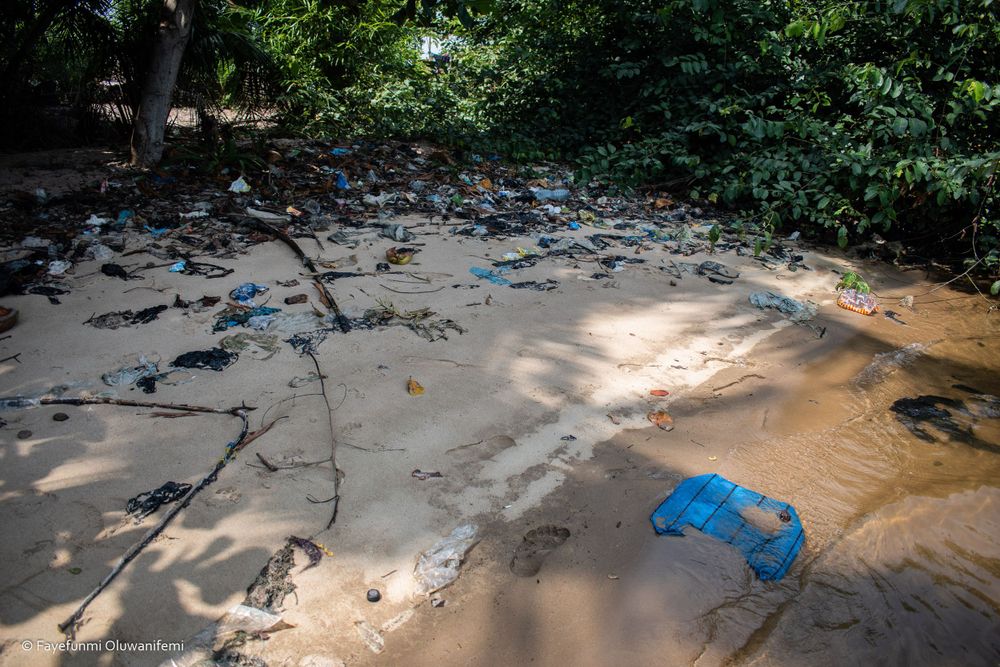
The visuals also highlighted the environmental toll of this crisis. Murky waters filled with plastic waste and oil sheen reflected the dual threats of pollution and habitat destruction. Through aerial shots of the once-thriving waters and intimate portraits of fishermen at work, I depicted a community struggling to adapt to diminishing returns.
This project aimed to shine a light on the urgent need for sustainable practices and policy interventions to address the fishing crisis. By showcasing the faces and stories of those most affected, my work seeks to amplify their voices and inspire action among stakeholders, policymakers, and environmental advocates.
Call to Action
Photography has the power to bring hidden stories to light, and the fishing crisis in Itun Agon is one that demands attention. Through my lens, I hope to contribute to a larger conversation about sustainable development, environmental restoration, and the preservation of livelihoods for communities like Itun Agon. This is more than a local issue—it’s a testament to the delicate balance between human activity and the natural world, one we must work to restore.